This is the fourth post in a series exploring the path from senior engineer to Staff engineer. If you missed the earlier parts, you can find them here:
- The Path to Staff Engineer, Part 1: Breaking the Glass Ceiling
- The Path to Staff Engineer, Part 2: From Problem Solver to Problem Finder
- The Path to Staff Engineer, Part 3: Turning Messy Work Into Staff Level Impact
- The Path to Staff Engineer, Part 4: Learning to Be a Leader
- The Path to Staff Engineer, Part 5: The Transition Trap
A lot of the Staff conversation focuses on technical scope. Bigger systems, harder problems, more ambiguity, more cross team work. All true.
But there is another shift that catches people off guard: you are expected to act like a leader before anyone gives you permission to call yourself one.
That means thinking differently about your job. It also means going places that can feel slightly uncomfortable at first: the conversations where the real priorities get set, the meetings where the stakes are higher than the tech, and the moments where the right answer is not the thing that moves the organization.
This part is about the practical mechanics of that shift.
Go to the “Above My Pay Grade” Meetings
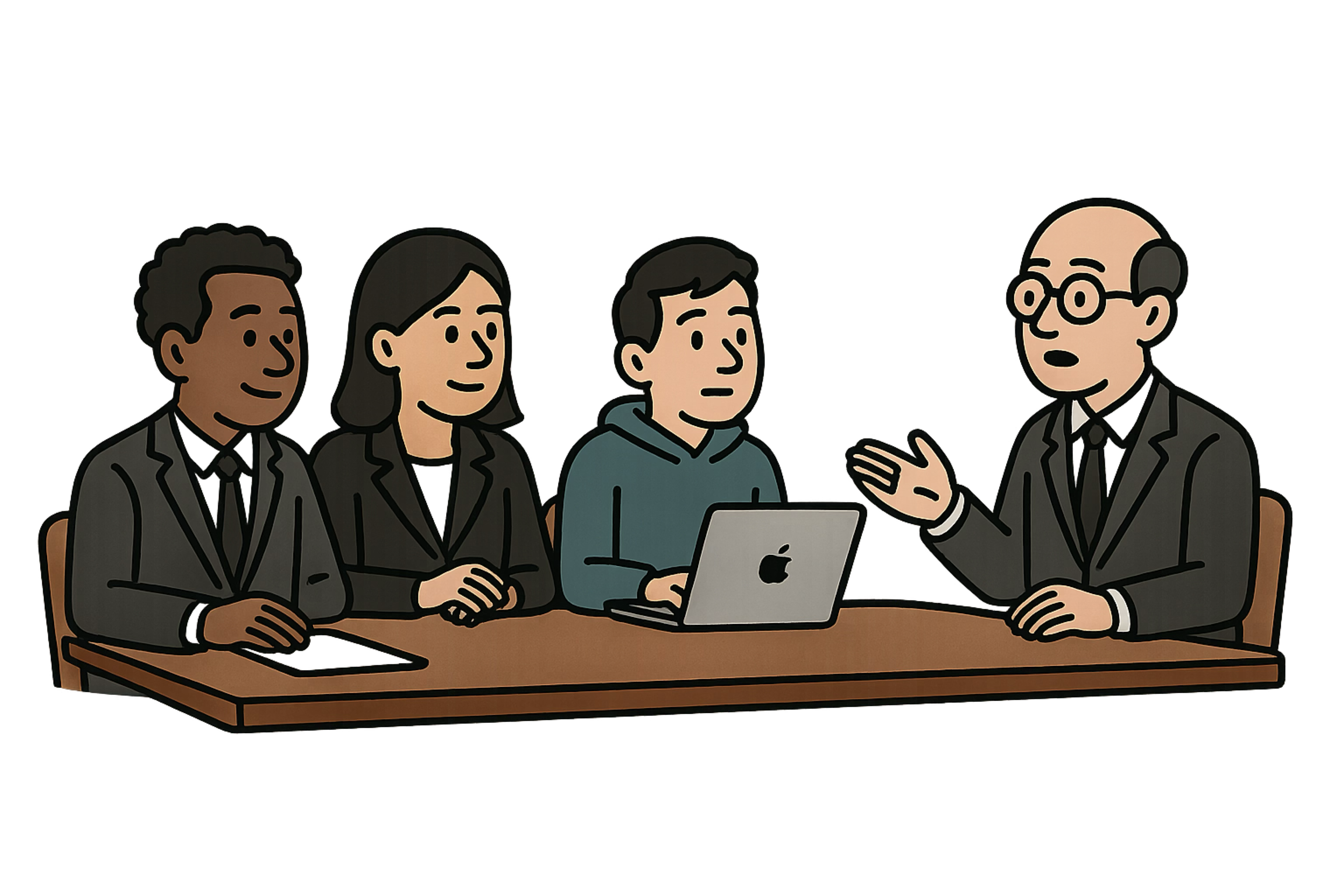
One of the best ways to grow into Staff is to spend time in rooms you are not sure you belong in yet.
Not to dominate the conversation, and not to prove you are the smartest person there. The point is context. These meetings show you how leadership thinks, what tradeoffs they make, and why decisions that look irrational from the outside often make sense once you can see the whole picture.
If you only ever see decisions after they land on your desk as a requirement or a constraint, you will always feel like leadership is doing things to you. When you are in the room, you start to understand what they are optimizing for.
This is also where you learn how to communicate at the next level. People are not discussing implementation details. They are discussing risk, cost, timelines, reputational impact, and what happens if nothing changes.
That context changes how you build.
Figure Out What Keeps Leaders Up at Night
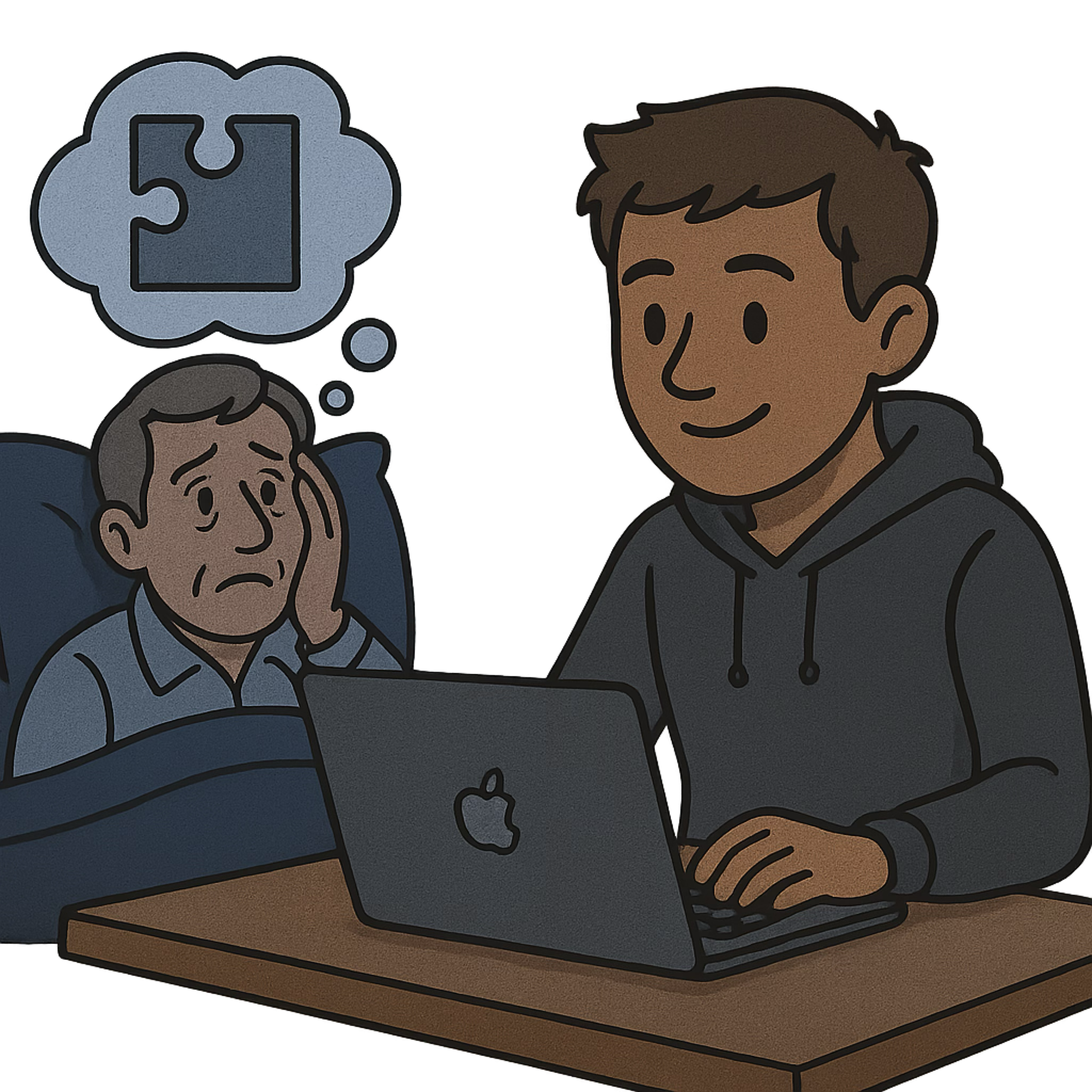
If you want to be effective at Staff level, learn what the people above you are worried about, even when it is not written down anywhere.
Leaders carry a private backlog. It is not in Jira. It is not in a roadmap doc. It is the set of things they think might blow up, the bet they are not sure will pay off, the staffing gap they cannot fix quickly, the vendor that is starting to look risky, or the reliability issue that keeps appearing at the worst possible times.
A simple habit helps here: ask directly.
Not “what should I work on?” That question gets you tasks.
Ask “what are you worried about right now?” or “what is the thing you wish was going better?” That question gets you the real problems.
Once you know what keeps leaders up at night, you can do Staff work properly. You can reduce risk, remove uncertainty, and make progress on the problems that actually matter to the organization.
Use the Decision Making Loop

A lot of engineers assume decisions are a single moment. Someone picks a direction, a plan appears, and everyone gets on with execution.
In reality, the decisions that matter usually run in a loop:
Frame -> Align -> Decide -> Share -> Reassess
- Frame: What problem are we actually solving? What are the constraints? What does success look like? If you get this wrong, everything downstream is wasted effort.
- Align: Get the right people in the room and make sure you agree on the shape of the problem and the tradeoffs. This is where most decisions die, because it is easier to avoid alignment than to do it properly.
- Decide: Make the call. Sometimes with incomplete information. That is normal. The trick is making sure it is a real decision, not a polite agreement to keep talking.
- Share: Communicate the decision and the why. Not just to the people in the meeting, but to the people who will be impacted by it. If you skip this, you get confusion and re-litigation later.
- Reassess: Check whether the decision is working. Look for new information, changed constraints, or unexpected outcomes, then loop back and re-frame if needed.
If you want to influence outcomes at Staff level, show up early in this loop. Help frame the problem and drive alignment. If you only appear at “Decide” with a fully formed solution, you are usually late, and you are asking people to change their minds rather than helping them arrive at the decision.
Learning to Become a Leader
This is the part people do not like hearing: leadership is a skill you have to learn, even if you are not on the management track.
Being a Staff engineer means you are responsible for outcomes that depend on other people. That requires you to lead. Not by authority, but by clarity, consistency, and trust.
Learning leadership at this level looks like:
- taking responsibility for alignment, not just delivery
- making sure the right people are in the room early
- being the person who closes loops instead of leaving threads hanging
- saying the uncomfortable thing when it needs to be said
- and being someone others can rely on when things get messy
It is less glamorous than architecture diagrams, but it is more important.
A Signal You Cannot Ignore
One moment that made this land for me came via a performance review. Part of the feedback referenced questions being asked anonymously in the Mac Admins Slack, outside the normal work channels. The questions themselves were sensible. What mattered was how they showed up. Anonymous, outside the place where those conversations should normally happen, from someone who clearly did not feel safe attaching their name to reasonable questions at work. That is not a mild hint. It is red alarm bells. At that point the content of the questions is almost irrelevant, because the real issue is the environment that produced them, and that is on leadership to fix.
My manager left me with one piece of advice that stuck:
You cannot be a leader without any followers.
The Takeaway
Staff is not just a bigger senior engineer. It is a different job.
It is doing the work that changes what the organization believes is possible. That means understanding leadership context, learning what the real risks are, entering the decision making loop early, and developing the leadership skills to move people as well as systems.
If you want to grow, do not wait until you get a Staff title to start practicing this. Go sit in the meetings. Ask what keeps people up at night. Help leaders make better decisions. Build trust by closing loops and creating clarity.
That is what leadership looks like at this level.
This post is adapted from my talk, “The Path to Staff Engineer and Beyond”, delivered at PSU Mac Admins 2025 and MacDevOps YVR 2025. It is part of a series exploring the journey from senior engineer to staff and beyond.